A car that refuses to start rarely gives much warning. One day the engine turns over normally, the next the ignition clicks and nothing happens. Many drivers are surprised when this occurs sooner than expected, especially in coastal environments.
Car batteries fail faster on the Gold Coast, and the causes often relate to climate, driving habits and environmental exposure rather than simple age.
Heat, humidity and frequent short trips quietly wear down battery performance over time. Modern vehicles also place greater electrical demands on their batteries than older models did. These factors combine to shorten battery lifespan and increase the likelihood of sudden failure. Understanding why batteries deteriorate more quickly in these conditions can help drivers recognise early warning signs and take preventative steps before being stranded with a flat battery.
Heat Speeds Up Internal Battery Wear
Temperature has a significant effect on battery lifespan because heat accelerates the chemical reactions inside the battery. Over time this process damages internal components and reduces the battery’s ability to hold a charge.
High temperatures gradually weaken the battery’s internal structure in several ways:
- Battery fluid evaporates more quickly
- Internal plates corrode faster
- Charging efficiency declines
- Overall battery lifespan shortens
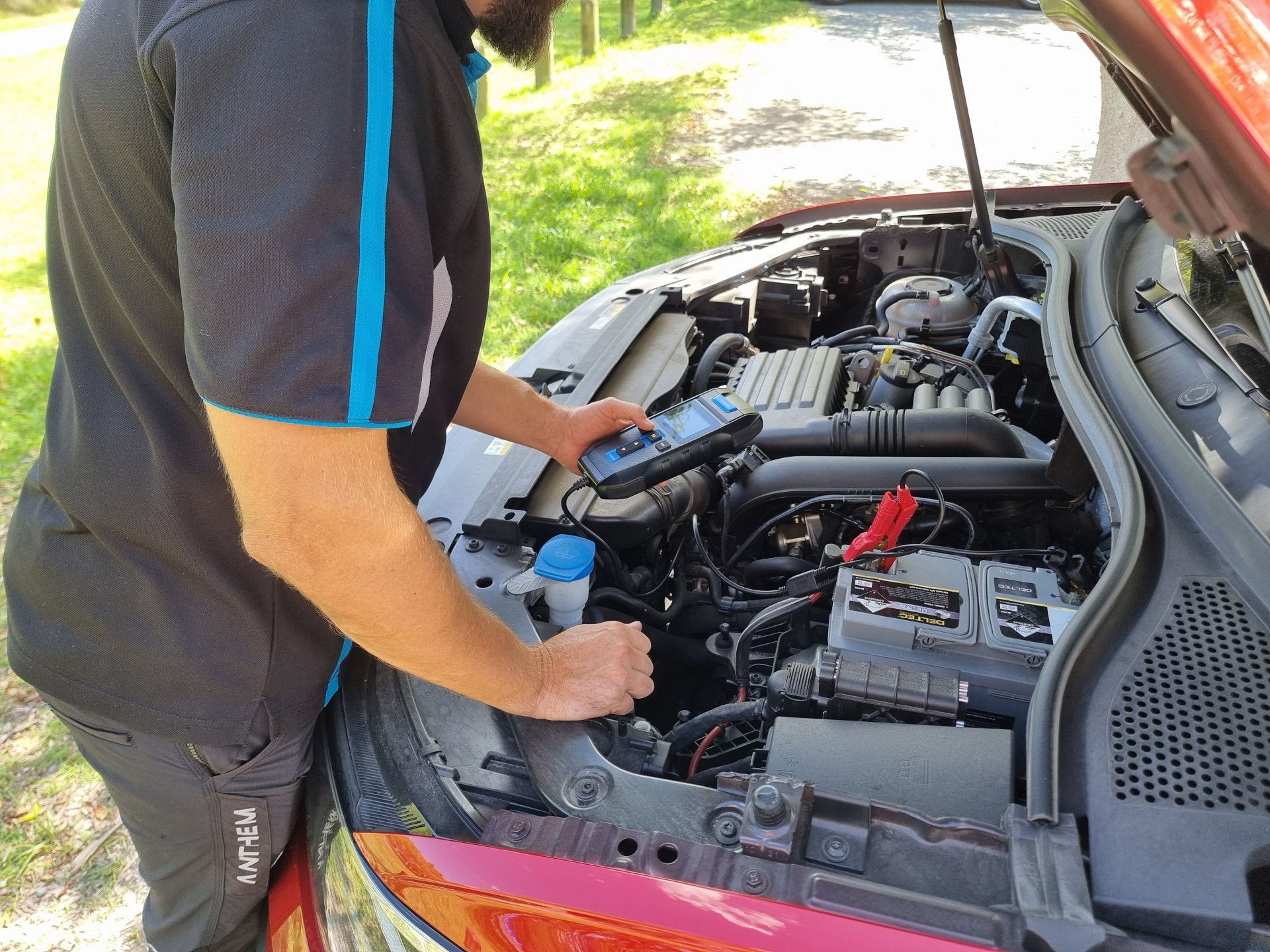
Routine battery testing can detect reduced capacity caused by heat exposure. Identifying this early allows drivers to replace the battery before it fails unexpectedly.
Salt Air & Moisture Trigger Terminal Corrosion
Vehicles operating in coastal environments are constantly exposed to salt carried in the air. When combined with humidity, this exposure accelerates corrosion on battery terminals and surrounding electrical components.
Corrosion interferes with the electrical connection between the battery and the vehicle’s starting system:
- Salt deposits form on terminals
- Moisture accelerates metal oxidation
- Electrical resistance increases
- Starting power becomes inconsistent
Professional battery servicing often includes cleaning terminals and applying protective treatments that reduce corrosion and restore proper electrical contact.
Short Drives Prevent A Full Battery Recharge
The alternator recharges the battery while the engine runs, but frequent short trips can limit how much energy the battery recovers after each start.
When vehicles are driven only for brief periods, the battery repeatedly loses power without fully regaining it:
- Engine start uses a large amount of battery power
- Short trips limit alternator charging time
- Partial charging weakens battery capacity
- Repeated undercharging reduces lifespan
Battery testing services can determine whether the battery is simply undercharged or approaching the end of its useful life.
Modern Vehicles Place Greater Demand On Batteries
Cars now rely on a wide range of electronic systems that draw power from the battery. Navigation units, sensors, cameras and infotainment systems all contribute to increased electrical demand.
Even when the vehicle is parked, certain systems may continue using battery power:
- Security systems remain active
- Electronic modules draw standby power
- Accessories increase electrical load
- Higher demand stresses the battery
Installing a battery suited to the vehicle’s electrical requirements helps ensure reliable performance under these conditions.
Loose Connections Can Mimic Battery Failure
Not every starting problem is caused by the battery itself. Loose terminals, worn cables or poor connections can interrupt the electrical flow required to start the engine.
These issues often create symptoms similar to a failing battery:
- Loose clamps interrupt power delivery
- Damaged cables restrict electrical flow
- Vibrations gradually loosen connections
- Poor contact reduces starting power
During battery servicing, technicians typically inspect and tighten all connections to ensure reliable operation.
Age Naturally Reduces Battery Reliability
Every battery eventually reaches the end of its service life as internal components deteriorate over time. As this process continues, the battery becomes less capable of holding and delivering a strong charge.
Age-related deterioration often progresses quietly before sudden failure occurs:
- Internal plates gradually weaken
- Charge retention declines
- Starting power becomes inconsistent
- Failure may occur without warning
Regular battery health checks help identify ageing batteries before they fail completely.
Temperature Changes Place Extra Strain On Weak Batteries
Although prolonged heat causes most battery wear, sudden temperature shifts can also expose weaknesses in ageing batteries.
Batteries already affected by heat or age may struggle when conditions change:
- Temperature swings affect battery output
- Weak batteries struggle to maintain voltage
- Electrical demand increases during startup
- Reduced capacity becomes more noticeable
Testing the battery during routine servicing can reveal whether it still has the capacity to handle changing conditions.
Unexpected Battery Failure Can Leave Drivers Stranded
Battery problems rarely occur at convenient times. Many drivers discover a flat battery when leaving work, preparing for travel or heading to an important appointment.
When the battery fails suddenly, quick support becomes essential:
- Vehicles may become completely immobilised
- Jump starts provide only temporary relief
- Immediate replacement restores reliability
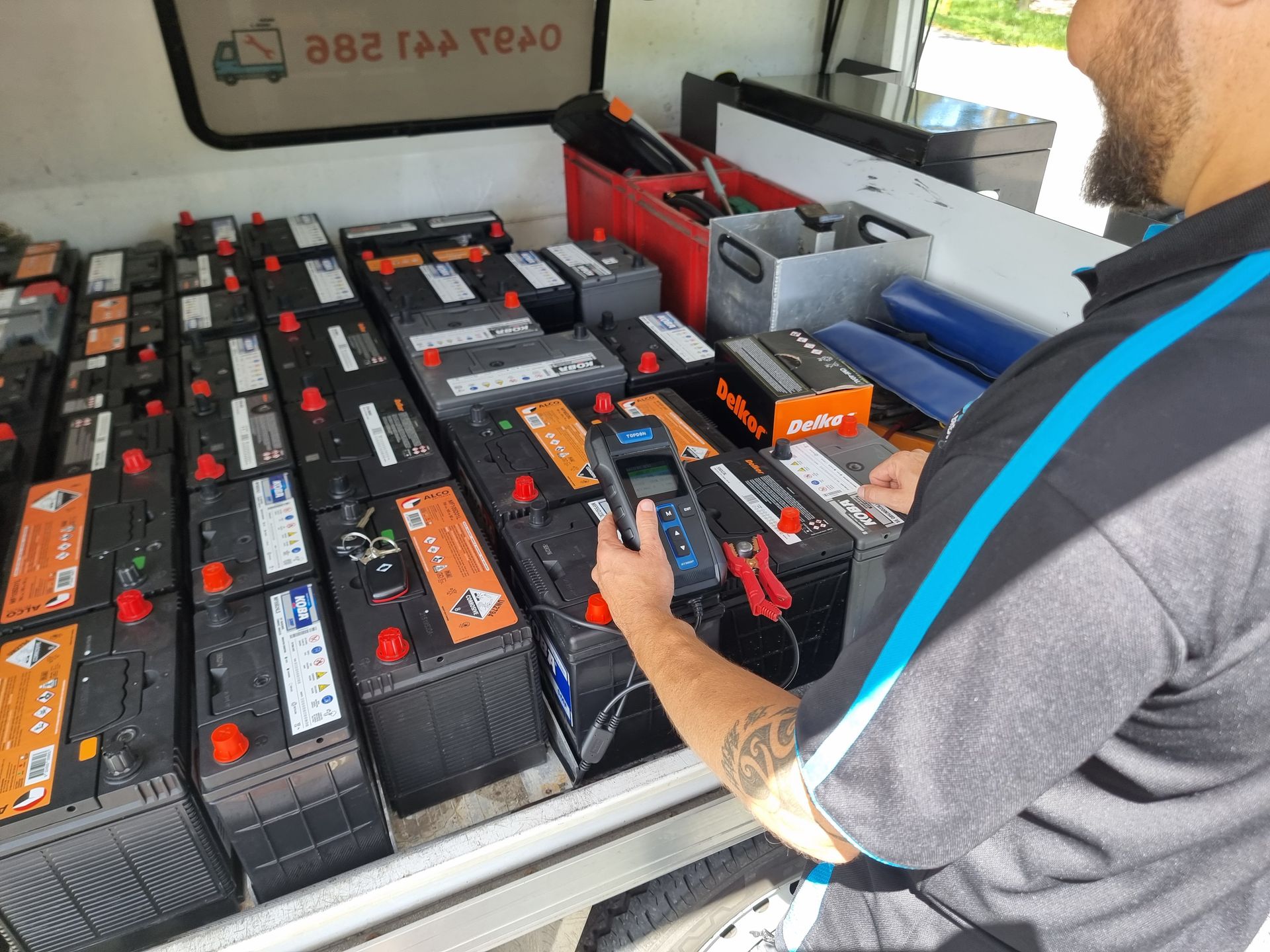
- Mobile services reduce disruption
Having access to fast battery replacement can prevent a minor problem from turning into a major inconvenience.
Get Reliable Battery Support Before Problems Start
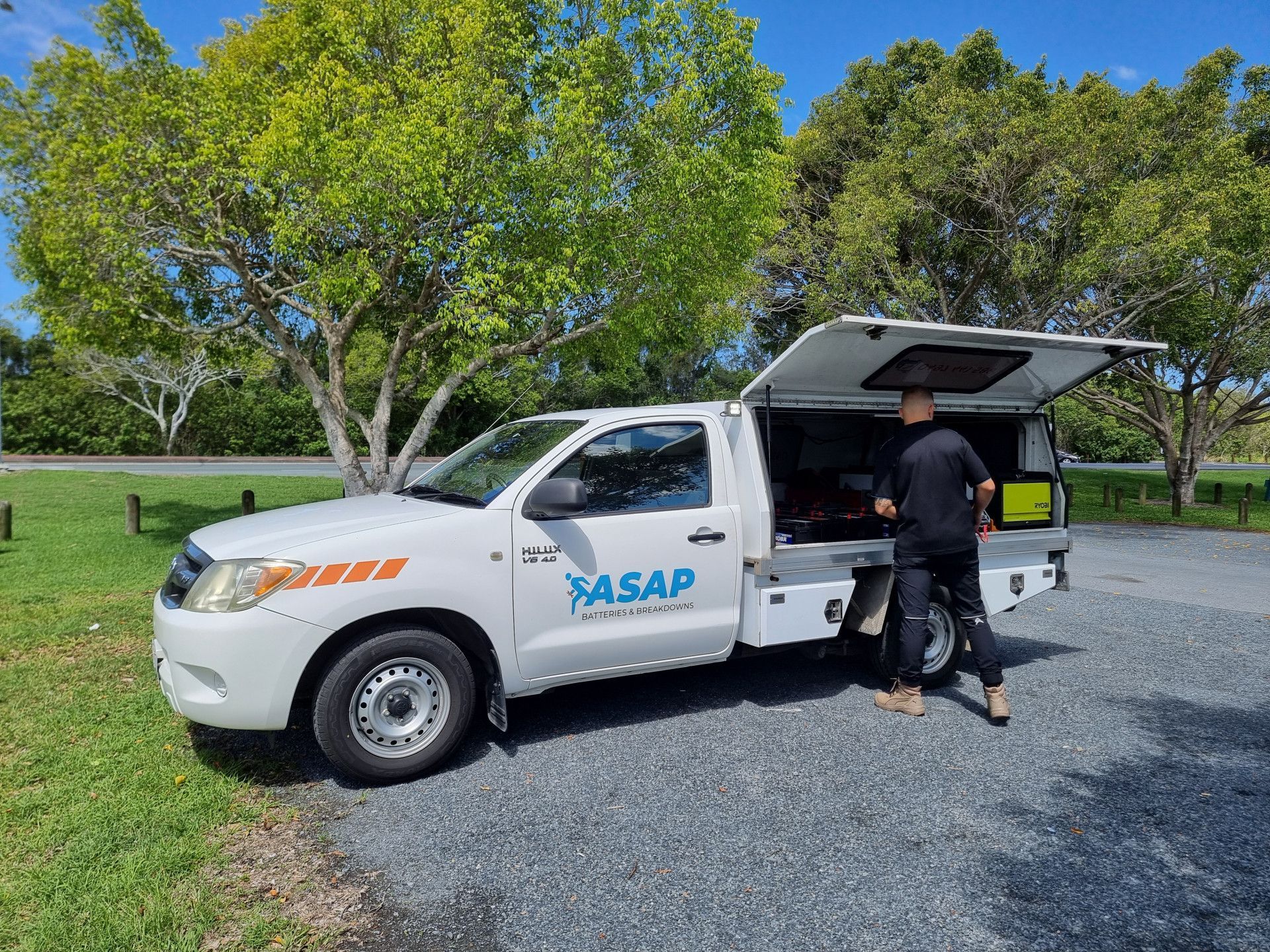
A failing battery can disrupt daily routines and leave drivers stranded without warning. We at
ASAP Batteries provide mobile battery testing and replacement across the Gold Coast, helping drivers avoid unexpected breakdowns. If your vehicle has slow starts or electrical issues, contact us today to arrange a professional battery check or on-site replacement so you can drive with confidence again.