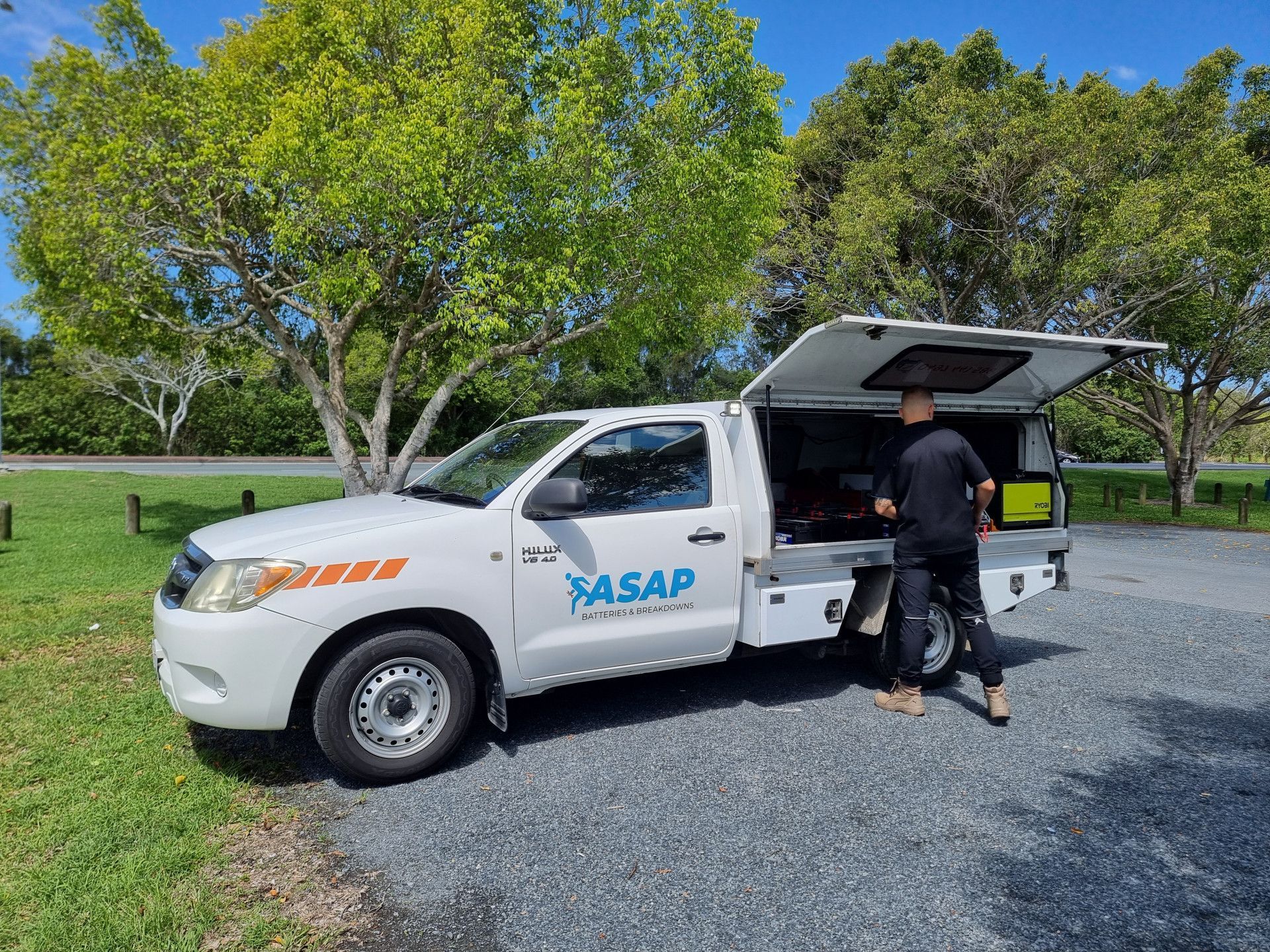
There’s never a convenient time for your car not to start. It always seems to happen when you’re already late, parked at the shops or halfway through the school run. On the Gold Coast, the combination of heat, humidity and short daily trips can quietly wear down your battery long before you expect it. That’s why understanding the warning signs matters, especially if you’re trying to avoid an urgent battery replacement Gold Coast drivers often find themselves scrambling for at the worst moment.
A failing battery rarely dies without notice. It usually gives subtle hints first. The trick is knowing what to look for.
1. Your Engine Cranks Slower Than Usual
You know the sound your car normally makes when it starts. When that confident turn of the key becomes a sluggish “rrr… rrr… rrr…”, your battery may be losing strength.
A slow crank typically means the battery no longer holds enough charge to power the starter motor efficiently. In Queensland’s warmer climate, battery fluid can evaporate faster, which reduces capacity over time. You might notice:
- Longer start times in the morning
- Struggling ignition after sitting overnight
- A clicking sound before the engine turns over
Many drivers ignore this stage because the car still starts – eventually. But this is often the final stretch before total failure.
2. Electrical Features Start Acting Strangely
Modern vehicles rely heavily on battery power. It’s not just about starting the engine anymore.
If your battery weakens, your car may show subtle electrical quirks such as:
- Headlights dimming at idle
- Dashboard warning lights flickering
- Power windows moving slower than usual
- Bluetooth or infotainment systems resetting
These aren’t always alternator issues. Often, a battery struggling to maintain voltage causes inconsistent power flow throughout the vehicle.
On the Gold Coast, where many drivers take frequent short trips – to the beach, local shops or the gym – the battery doesn’t always get enough time to fully recharge. Over time, that undercharging adds up.
3. You’ve Had to Jump-Start It Recently
One jump start might be a simple oversight, maybe you left the interior light on a little too long. But if you’ve needed jumper leads more than once in a short period, that’s a red flag.
Batteries lose their ability to hold a charge as they age. After three to five years (often closer to three in warmer climates), internal components begin to break down. Once this process starts, performance declines quickly. If your car’s needed:
- Two jump starts in a month
- A jump after sitting for just a few days
- Assistance despite no obvious cause
…it’s likely time to test the battery properly rather than wait for another roadside moment.
4. The Battery Warning Light Comes On
Your dashboard battery symbol isn’t just decoration. If it lights up while driving, your charging system may not be functioning correctly.
While many people assume this automatically means a dead battery, it can also point to:
- A failing alternator
- Loose or corroded terminals
- Damaged cables
- Charging system faults
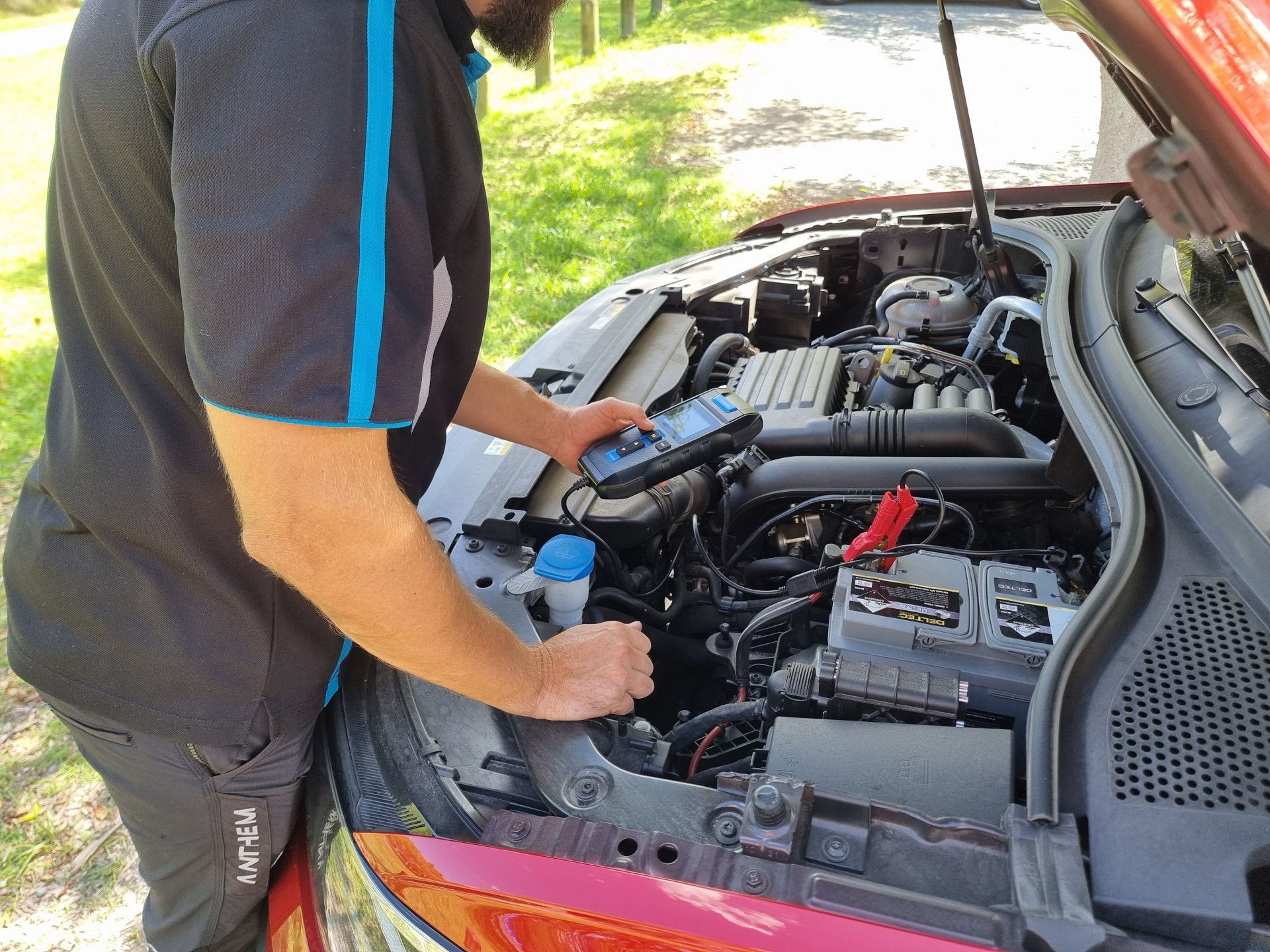
Still, the battery remains the most common culprit. A professional load test can confirm whether you’re dealing with a simple battery issue or something deeper in the electrical system.
Ignoring that warning light often leads to a breakdown, and nobody wants to deal with that in Gold Coast peak-hour traffic.
5. It’s Over Three Years Old
Car batteries don’t last forever, especially in Queensland conditions. Heat speeds up chemical reactions inside the battery, which sounds helpful but actually shortens the battery’s lifespan. If your battery’s:
- Three years old or more
- Showing minor warning signs
- Installed before a long stretch of hot summers
…it’s wise to test it before it tests you.
Many drivers assume batteries fail in winter. On the Gold Coast, summer heat does most of the damage. Winter just exposes the weakness that’s already there.
6. Corrosion or Swelling Around the Battery Case
Pop your bonnet and take a look. You don’t need to be a mechanic to notice obvious physical changes. The warning signs include:
- White or green powder around the terminals
- Swollen battery casing
- Cracks in the housing
- Leaking fluid
Corrosion restricts electrical flow. Swelling often indicates internal overheating or overcharging. Either one of these issues reduces performance and increases the risk of sudden failure.
If you spot these signs, don’t wait for the engine not to start.
Why Gold Coast Conditions Are Tough on Car Batteries
Driving conditions here are different from the cooler parts of Australia. High humidity, coastal air and frequent stop-start driving take a toll. Here’s what makes local batteries work harder:
- Salt exposure near coastal roads
- Short urban trips that prevent full recharge
- High under-bonnet temperatures in summer
- Heavy use of the air conditioning
All of these increases demand on your vehicle’s charging system.
That’s why drivers searching for a battery replacement on the Gold Coast often experience failure earlier than expected. It’s not bad luck – it’s just environmental wear.
How to Extend the Life of Your Battery
While every battery eventually needs replacing, you can delay failure with a few smart habits:
- Take longer drives occasionally to allow a full recharge
- Keep terminals clean and corrosion-free
- Turn off accessories before switching off the engine
- Avoid leaving vehicles unused for extended periods
- Have your battery tested annually after the second year
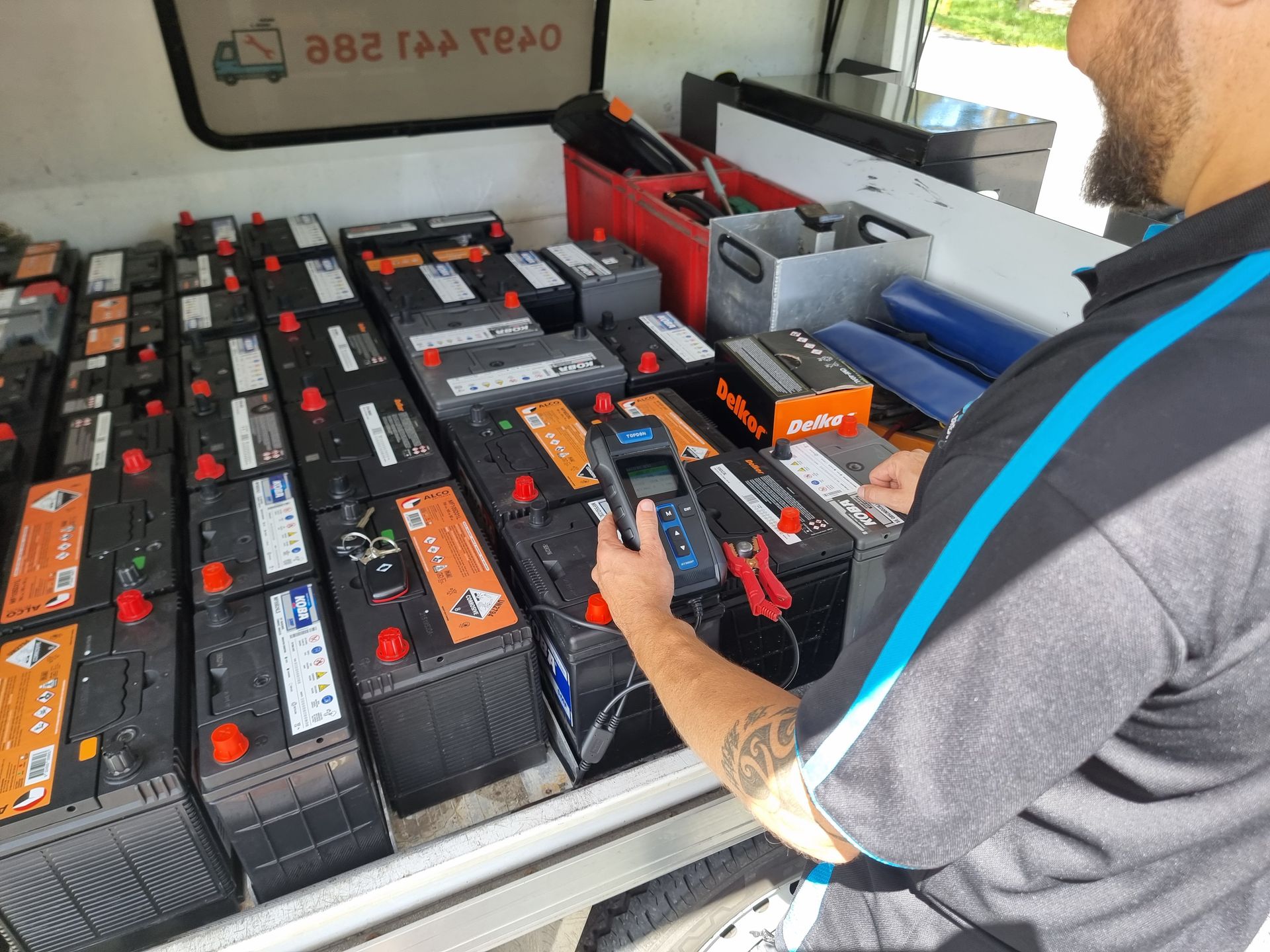
Regular testing catches weakness early. A simple load test can reveal declining performance months before a breakdown occurs.
When to Replace Instead of Recharge
A common question drivers ask is: “Can’t I just recharge it?”
If a battery repeatedly goes flat without a clear reason, recharging becomes a temporary fix. Once internal plates degrade, no charger can restore full strength. Choose to get your battery replaced when:
- The battery fails a load test
- It’s older than three years in hot conditions
- It no longer holds a charge overnight
- Swelling or leakage appears
Proactively replacing the battery saves you from being stranded outside your home, at the beach carpark or in a shopping centre.
Don’t Wait for the Worst Moment
Car batteries rarely fail in your driveway at a convenient time. They fail at work. At school pickup. In underground carparks. In the rain.
Recognising early warning signs gives you control. Instead of reacting to a breakdown, you can plan ahead.
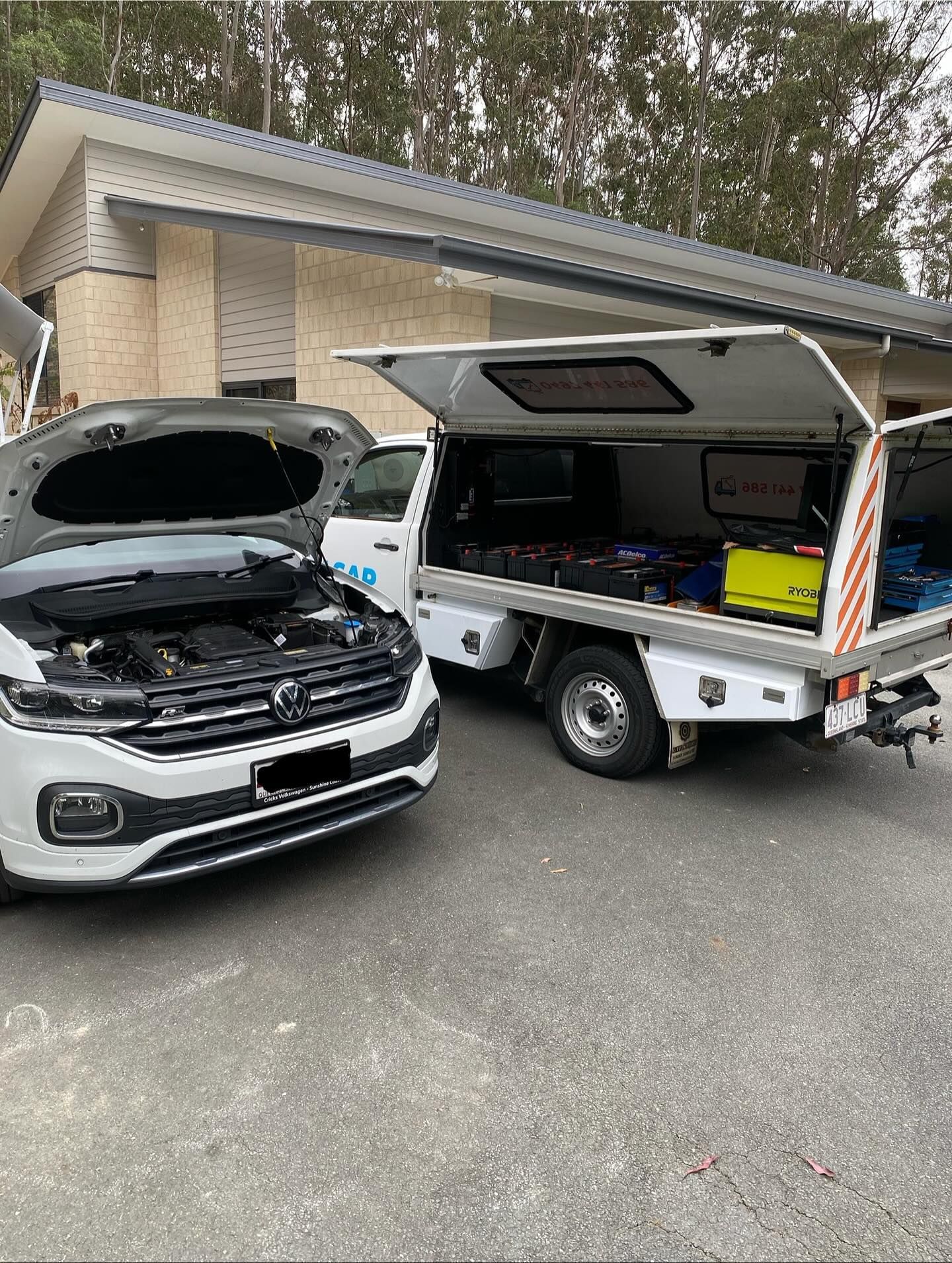
If your vehicle shows any of the six signs listed above, testing your battery now could prevent frustration later. And if you need expert help with a battery replacement on the Gold Coast, ASAP Batteries & Breakdowns proudly serves locals with fast mobile support.